
Tirumala, April 10, 2026 – Tirumala Tirupati Devasthanams (TTD) is giving top priority to health, cleanliness, and environmental protection for devotees visiting Tirumala, where 80,000–1,00,000 pilgrims arrive daily over an area of about 4.5 square kilometres. The Health Department efficiently manages garbage‑clearance, toilet‑maintenance, water‑supply, and food‑safety across the hill‑temple area.
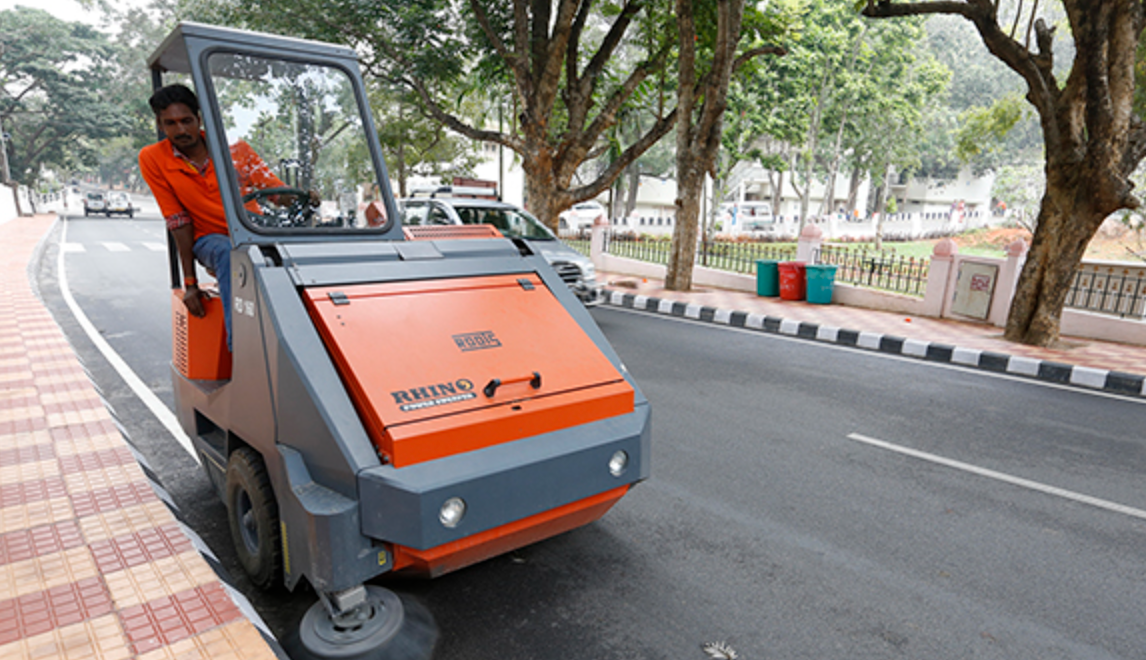
Three‑zone and seven‑ward structure
To streamline sanitation, Tirumala has been divided into three zones and seven wards. This zoning allows for decentralised monitoring, quicker response to complaints, and better worker‑allocation.
-
Ward‑1 (Śrīvāri Temple surroundings): Here departmental staff handle daily cleaning, bin‑emptying, and spot‑sanitisation.
-
Wards 2–7: Sanitation operations are outsourced to three contracted agencies, which work under TTD‑supervision and face strict performance‑based contracts.
Plastic ban and stricter trade regulation
As part of environmental‑protection, TTD has completely banned plastic in Tirumala. This cuts down non‑recyclable waste and reduces fire‑risk near crowded galleries.
Additionally, D&O (distribution‑and‑storage) trade licenses are strictly monitored, and “No Stock – No Godown” licenses are issued. This means godown‑owners must not hoard large quantities without proper storage conditions, helping prevent food‑spoiling, pest‑nests, and clutter in the hill‑town.
Efficient waste‑collection system
For waste‑management, the system runs almost like a public‑utility service:
-
9 tipper vehicles are deployed permanently for waste‑collection.
-
About 45 trips per day are made, collecting garbage from approximately 3,056 fixed and mobile bins across Tirumala.
-
These vehicles travel around 400 km daily, covering queues, choultries, guest‑houses, Mada‑streets, and footpaths.
For 2025, the recorded waste‑breakup was:
-
Biodegradable waste: 16,689.04 metric tonnes
-
Non‑biodegradable waste: 8,221.97 metric tonnes
-
Total waste: 24,911.01 metric tonnes
A large share of legacy‑waste has been converted into compost/manure, making Tirumala a model‑for‑waste‑management among major pilgrimage‑centres.
Ward‑wise lavish toilet blocks
To avoid long‑toilet‑queues even during peak‑rush:
-
Permanent toilet blocks: 210
-
Institutional toilets (in choultries, halls): 130
-
Temporary/mobile toilets: 14
This totals 354 toilet‑blocks, distributed ward‑wise across Vaikuntham Queue Complex, Mada‑streets, and Swami Pushkarini‑views. The Health Department keeps these clean, disinfected, and water‑supplied 24×7, with frequent checks by Sanitary Inspectors.
Mobile‑tank water‑distribution by Srivari Sevaks
To meet peak‑rush demand, TTD supplies drinking water through mobile‑water‑tank units (drums) at crowded points via Srivari Sevaks (volunteers). This prevents devotees from walking back to distant water‑stands.
Areas such as SSVSL, gayatri‑slips, and queue‑entry‑points are prioritised so that foot‑yogis, elderly, and overheated devotees get free water‑prasadam directly.
Water and food‑quality laboratories
The TTD Water & Food Analysis Laboratory (established 1981, NABL‑accredited) rigorously checks:
-
Ingredients used in Laddu and Annaprasadam kitchens.
-
About 20 water‑samples daily and 1,000–1,200 samples monthly from taps, prasadam‑channels, and guest‑house‑hydrants.
Advanced instruments like HPLC and GC are used for ghee‑quality testing, preventing adulteration and ensuring taste‑safety. Recently, a state‑of‑the‑art food‑laboratory worth ₹19.75 crore (with FSSAI support) has been set up, equipped with LC‑MS/MS, GC‑MS/MS, and ICP‑MS/MS for ultra‑trace‑contaminant‑detection in prasadam‑ingredients.
Devotees’ feedback
Devotees have consistently praised TTD’s sanitation standards:
-
Round‑the‑clock waste‑clearance and spot‑free queues,
-
Odour‑free, well‑lit toilet‑blocks,
-
Mobile‑water‑tanks and visible quality‑labs
Many devotees call Tirumala’s cleanliness and hygiene “unmatched among major pilgrimage‑centres”, even with such heavy daily footfall.