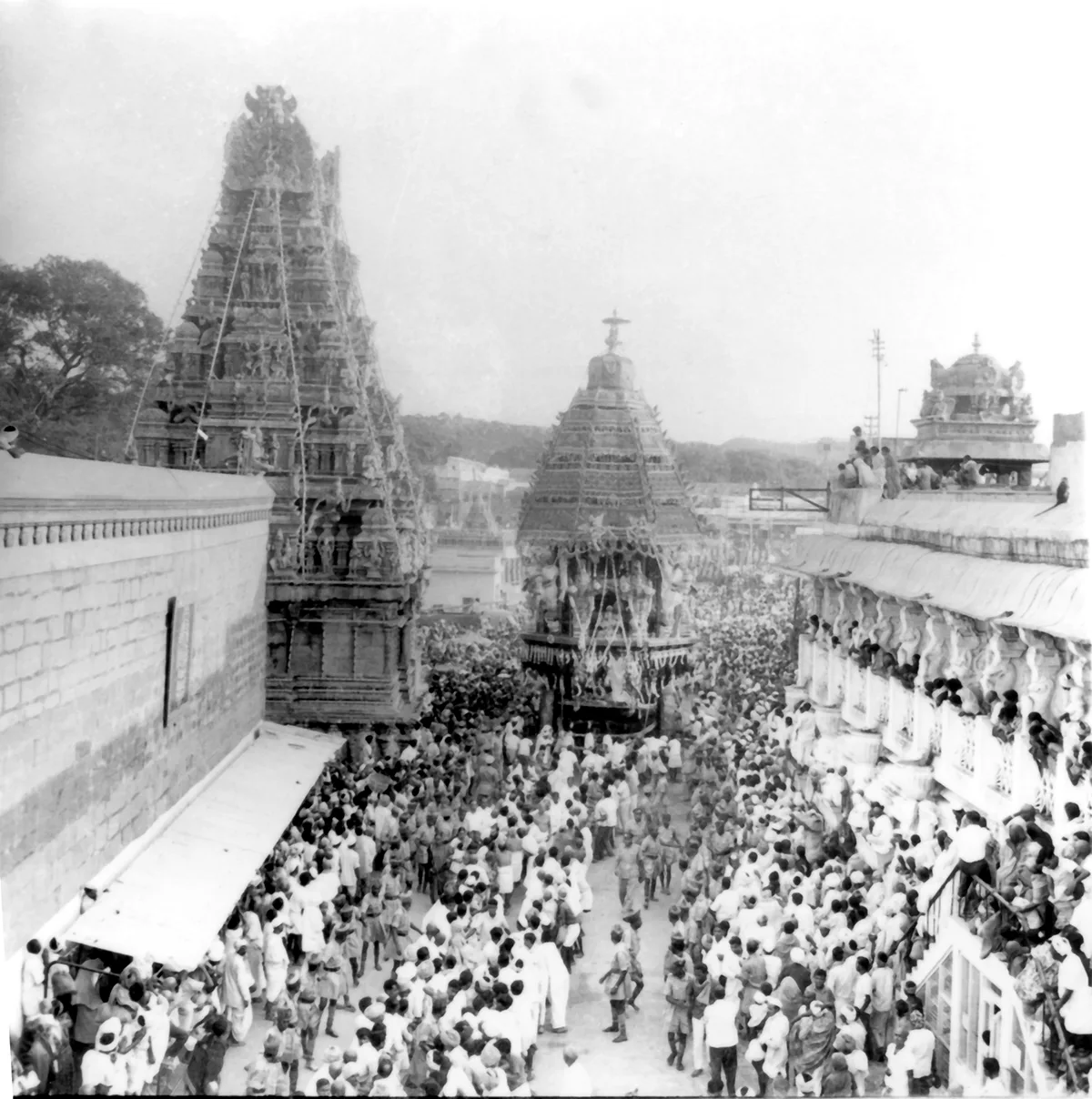
Tirumala, September 6, 2026: The Tirumala Brahmotsavam is a nine-day festival of extraordinary religious grandeur that resonates across the Seven Hills.
From Dwajarohanam to Chakrasnanam, from daily Vahana Sevas to the resounding “Govinda” chants of lakhs of devotees, the festival has evolved over several centuries into one of the most significant religious celebrations at Tirumala.
The Brahmotsavam witnessed today is the result of a long historical evolution shaped by royal patronage, donations from kings and devotees, changes in temple administration, Agama traditions and time-tested religious practices.
Importantly, the history of the festival is not preserved only in Puranic traditions. Inscriptions on the walls of the Tirumala temple provide valuable historical evidence about the development of Brahmotsavams over the centuries.
Legendary Origin of Brahmotsavam
According to Puranic tradition, Lord Brahma, the Creator, himself conducted the first festival after Sri Venkateswara manifested on the Seven Hills.
The festival therefore came to be known as “Brahmotsavam”, meaning a festival associated with Brahma.
While this remains part of the sacred traditional account, inscriptions provide a chronological picture of how the festival developed as an organised temple celebration.
Pallava Queen Samavai and an Early Recorded Endowment
One of the earliest important historical references dates to 966 CE, when Pallava Queen Samavai Sri Perundevi made significant offerings to the Tirumala temple.
She gifted a silver idol of Bhoga Srinivasa Murthy, along with ornaments and land endowments intended to support the conduct of festivals.
The details are recorded in an inscription on the northern wall of the first prakaram of the temple.
The inscription also indicates that Brahmotsavams were being conducted in the Purattasi and Margazhi months by the 10th century, demonstrating that the festival tradition had already taken an established form.
Brahmotsavams Expanded Through the Centuries
During the Chola and Yadavaraya periods, additional Brahmotsavams came to be conducted.
Historical inscriptions refer to festivals associated with different months, including:
- Panguni Brahmotsavam — associated with Vira Narasimha Yadavaraya (1209–1263)
- Chittirai Brahmotsavam — recorded in 1254 under Vijaya Gandagopaladeva
- Aadi Brahmotsavam — associated with Yadavaraya feudatories during 1300–1330
By the Vijayanagara period, inscriptions indicate that as many as ten Brahmotsavams were being conducted annually during certain periods between 1539 and 1616.
This reflects how the Brahmotsavam tradition expanded and adapted while retaining its core religious character.
Major Contributions During the Vijayanagara Era
Royal patronage played a particularly important role in the development of Tirumala's festival traditions.
1513 – Krishnadevaraya and Thai Brahmotsavam
Sri Krishnadevaraya instituted the Thai Brahmotsavam following his first recorded visit to Tirumala on February 10, 1513, according to the historical account.
1533–34 – Kartika Brahmotsavam
The earliest references and endowments connected with Kartika Brahmotsavam are recorded during the reign of Achyutaraya.
1539 – Aani Brahmotsavam
The Aani Brahmotsavam was instituted under Tallapaka Pedha Tirumalayyangar.
These endowments and institutional arrangements helped strengthen the financial and ritual framework supporting the increasingly elaborate celebrations.
The Arrival of Sri Malayappa Swamy as Utsava Murti
Another major development occurred around 1339, when Sri Malayappa Swamy along with Sri Devi and Bhu Devi became the principal processional deities.
This development was significant because the Utsava Murtis form the centre of the Vahana Sevas and grand processions that are now synonymous with the Tirumala Brahmotsavams.
The tradition of taking the Lord around the four Mada Streets on different Vahanams subsequently became one of the defining visual and spiritual features of the festival.
From Mahants to Institutional TTD Administration
A major transformation took place in the administration of the temple in the modern period.
In 1843, the administration of the Tirumala temple passed to the Mahants of Hathiramji Mutt, who continued to manage the temple until 1933.
Earlier historical records, including the Mackenzie Survey of 1803, also refer to a large number of festivals, though there are some discrepancies in the details recorded.
With the formation of the Tirumala Tirupati Devasthanams (TTD) in 1933, temple administration moved towards a structured institutional system.
From Temple Festival to a Mega Religious Event
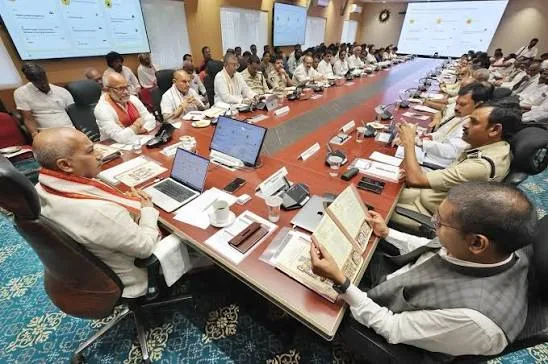
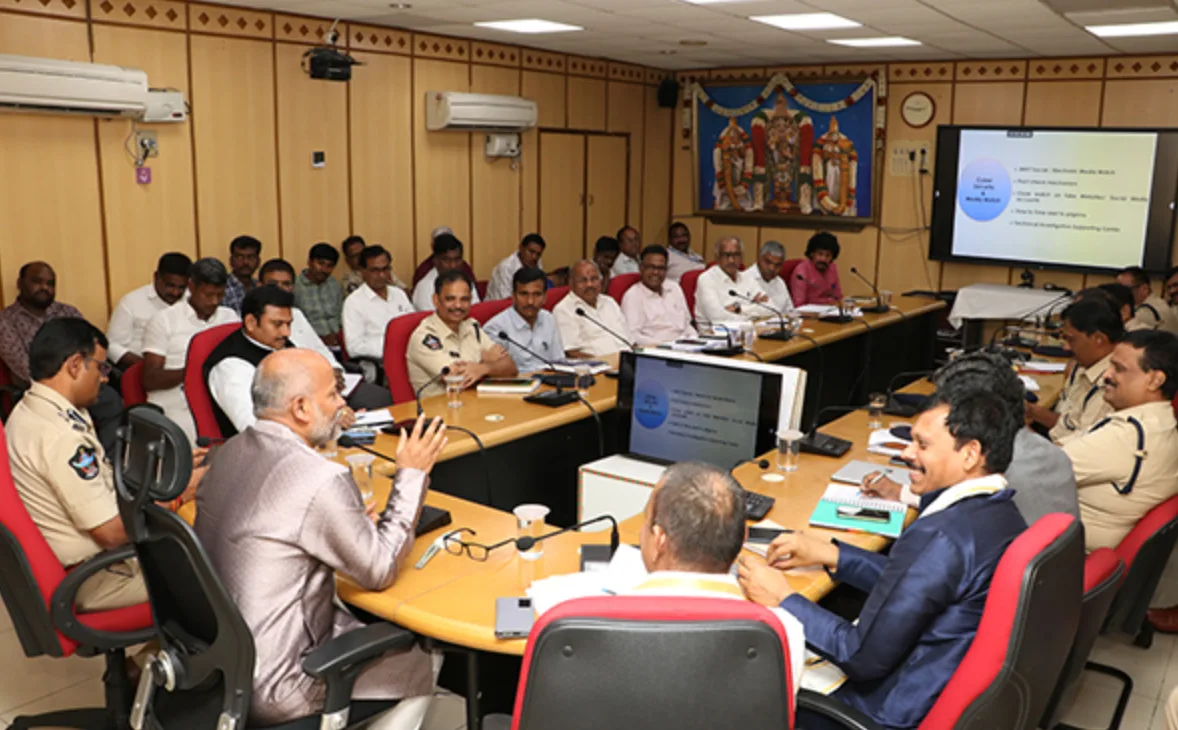
Under TTD management, Brahmotsavams gradually developed into a large-scale institutional religious event capable of handling the enormous influx of devotees.
The modern festival now involves extensive planning across multiple areas, including:
- Darshan and crowd management
- Accommodation
- Transport
- Security and vigilance
- Medical services
- Annaprasadam
- Sanitation
- Pilgrim information systems
- Live television and digital broadcasts
- Infrastructure and traffic management
Thus, the Brahmotsavams witnessed today represent the continuation of a tradition that has evolved for centuries while retaining its essential spiritual character.
A Living Tradition Across the Centuries
From the endowments of Pallava queens and South Indian rulers to the elaborate arrangements made by TTD today, the history of Tirumala Brahmotsavams reflects a remarkable continuity of devotion and institutional evolution.
The inscriptions, royal grants, Agama traditions and practices associated with the festival together provide a window into how the celebrations grew from a temple-centred religious observance into a globally recognised spiritual gathering.
Yet, despite these changes, the essence remains unchanged — Sri Venkateswara Swamy blessing devotees through the sacred Vahana Sevas and Brahmotsava rituals on the Seven Hills.
💬 Comments